

Best SIP Plans for Beginners in India: Systematic Investment Plans (SIPs) are one of the most effective ways for beginners to enter the world of investing. With as little as ₹500 per month, you can build wealth over time by leveraging the power of compounding and rupee cost averaging. However, choosing the right SIP plan can be overwhelming for newcomers due to the plethora of mutual fund options available. This guide will simplify the process by highlighting the best SIP plans for beginners in India, along with key factors to consider, risks, and strategies to maximize returns.
Table of Contents
1. Introduction to SIPs
1.1. Understanding SIP
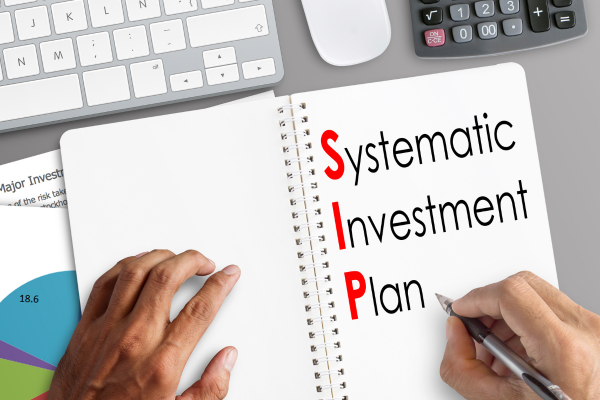
- SIP (Systematic Investment Plan) allows you to invest a fixed amount in a mutual fund at regular intervals (monthly, quarterly, etc.).
- It promotes disciplined investing and reduces the impact of market volatility through rupee cost averaging.
1.2. Benefits of SIP for Beginners
- Affordability: Start with as low as ₹500/month.
- Flexibility: Increase, decrease, or pause investments anytime.
- Power of Compounding: Reinvested returns generate exponential growth over time.
- No Timing the Market: Regular investments average out market highs and lows.
2. The Pitfalls of Withdrawing SIP Investments Within a Year
Withdrawing your SIP investments within a year can undermine your financial goals. Here’s why you should avoid it:
- Exit Loads: Many funds impose a penalty, known as an exit load, for withdrawals within a specified period (usually one year). This fee eats into your returns.
- Missed Growth Opportunities: Short-term market fluctuations can be deceptive. By exiting early, you may miss out on potential rebounds and long-term gains.
- Tax Implications: Short-term capital gains tax applies to investments held for less than a year, often at a higher rate than long-term capital gains tax.
Think of your SIP investment like aging fine wine—it gets better the longer you let it mature.
3. Decoding Mutual Fund Categories
Understanding the types of funds is crucial to aligning your investments with your financial goals and risk appetite.
3.1 Small-Cap Funds
- Definition: Invest in companies with small market capitalization, typically ranked beyond the top 250 companies in terms of market value.
- Characteristics:
- High growth potential.
- Higher risk due to market volatility.
- Suitable For: Investors willing to take on significant risk for potentially higher returns over a longer time horizon.
3.2 Mid-Cap Funds
- Definition: Invest in mid-sized companies, usually those ranked between 101st and 250th in market capitalization.
- Characteristics:
- Balanced risk-reward ratio.
- Potential for substantial growth.
- Suitable For: Investors seeking a middle ground between stability and growth.
3.3 Large-Cap Funds
- Definition: Invest in well-established companies with large market capitalizations, typically the top 100 companies.
- Characteristics:
- Stability and steady returns.
- Lower risk compared to small and mid-cap funds.
- Suitable For: Conservative investors prioritizing capital preservation over high returns.
3.4 Hybrid Funds
- Definition: Combine equity (stocks) and debt (bonds) instruments in a single portfolio.
- Characteristics:
- Diversification across asset classes.
- Balances risk and return.
- Suitable For: Beginners or those seeking moderate growth with reduced volatility.
4. The Role of Fund Managers in Your Investment Journey
Fund managers are the strategists behind your investments. Their expertise can significantly influence fund performance.
4.1 Active vs. Passive Management
- Active Management:
- Fund managers make investment decisions aiming to outperform the market.
- Involves rigorous research and frequent portfolio adjustments.
- Passive Management:
- Funds mirror a market index.
- Lower fees due to minimal trading.
Activity Matters Because:
- Expertise: Experienced managers can navigate market complexities and capitalize on opportunities.
- Risk Mitigation: Proactive management can help shield your investments during market downturns.
- Performance: The manager’s strategy can drive returns above benchmark indices.
Analogy: A fund manager is like a seasoned captain steering a ship through varying sea conditions to reach the destination safely and efficiently.
5. Selecting the Best SIP Plans for Beginners
5.1 Factors to Consider
- Investment Goals: Define clear, achievable objectives (e.g., retirement, buying a home).
- Risk Tolerance: Understand your comfort level with potential losses.
- Time Horizon: Align fund choices with your investment duration.
- Expense Ratio: Lower expenses can enhance net returns.
- Fund Performance: Look at consistent long-term performance rather than short-term spikes.
5.2 Diversification Strategies
- Mix of Fund Types: Combine large-cap stability with mid-cap growth and small-cap potential.
- Asset Allocation: Balance between equity and debt through hybrid funds.
- Regular Reviews: Periodically assess and adjust your portfolio to stay aligned with your goals.
6. How to Choose the Best SIP Plan for Beginners

6.1. Assess Risk Tolerance
- Low Risk: Debt funds or hybrid funds.
- Moderate Risk: Large-cap or flexi-cap funds.
- High Risk: Mid-cap, small-cap, or sectoral funds.
6.2. Define Financial Goals
- Short-Term (1–3 years): Liquid or ultra-short duration funds.
- Medium-Term (3–5 years): Hybrid or large-cap funds.
- Long-Term (5+ years): Equity-oriented funds (mid-cap, small-cap).
6.3. Check Historical Performance
- Look for funds with consistent 3–5 year returns above their benchmark.
- Avoid funds with erratic performance or frequent fund manager changes.
6.4. Expense Ratio
- Lower expense ratios (ideally below 1%) mean higher returns for investors.
6.5. Fund House Reputation
- Choose AMCs (Asset Management Companies) with a strong track record, like HDFC, SBI, or Axis Mutual Fund.
6.6. Star Rating of SIP Funds
- What is Star Rating?
- Star ratings are provided by agencies like CRISIL, Morningstar, and Value Research to evaluate mutual funds based on their historical performance, risk-adjusted returns, and consistency.
- Ratings typically range from 1 star (poor) to 5 stars (excellent).
- Why is Star Rating Important?
- Performance Indicator: Higher star ratings (4 or 5 stars) indicate consistent outperformance compared to peers and benchmarks.
- Risk Assessment: Funds with higher ratings often have better risk-adjusted returns, meaning they deliver good returns relative to the risk taken.
- Beginner-Friendly: For newcomers, star ratings simplify the process of identifying reliable funds without deep financial knowledge.
- Long-Term Reliability: Funds with consistently high ratings are more likely to sustain performance over time.
7. Top SIP Plans for Beginners in India (2025)
Here’s a curated list of SIP-friendly mutual funds across categories, ideal for beginners:
7.1. Best Large-Cap Funds
Large-cap funds invest in top 100 companies by market capitalization. They offer stability and moderate returns.
a. Axis Bluechip Fund
- Category: Large-Cap
- 1-Year Return: 18.5%
- 3-Year CAGR: 15.2%
- Expense Ratio: 0.43%
- Star Rating: ★★★★☆ (Morningstar)
- Why Choose: Consistent outperformance of the Nifty 50 index.
b. HDFC Top 100 Fund
- Category: Large-Cap
- 1-Year Return: 17.8%
- 3-Year CAGR: 14.9%
- Expense Ratio: 0.79%
- Star Rating: ★★★★☆ (CRISIL)
- Why Choose: Focuses on India’s top 100 companies with a long-term growth approach.
7.2. Best Flexi-Cap Funds
Flexi-cap funds invest across market capitalizations (large, mid, and small-cap) based on market conditions.
a. Parag Parikh Flexi Cap Fund
- Category: Flexi-Cap
- 1-Year Return: 22.1%
- 3-Year CAGR: 18.3%
- Expense Ratio: 0.98%
- Star Rating: ★★★★★ (Value Research)
- Why Choose: Diversified portfolio with exposure to international stocks.
b. SBI Flexicap Fund
- Category: Flexi-Cap
- 1-Year Return: 20.4%
- 3-Year CAGR: 17.5%
- Expense Ratio: 0.76%
- Star Rating: ★★★★☆ (Morningstar)
- Why Choose: Balanced allocation with a focus on growth sectors.
7.3. Best Mid-Cap Funds
Mid-cap funds invest in companies ranked 101–250 by market cap. They offer higher growth potential but come with volatility.
a. Axis Midcap Fund
- Category: Mid-Cap
- 1-Year Return: 27.3%
- 3-Year CAGR: 21.4%
- Expense Ratio: 0.43%
- Star Rating: ★★★★☆ (CRISIL)
- Why Choose: Strong focus on high-growth mid-sized companies.
b. HDFC Mid-Cap Opportunities Fund
- Category: Mid-Cap
- 1-Year Return: 25.8%
- 3-Year CAGR: 20.1%
- Expense Ratio: 0.82%
- Star Rating: ★★★★☆ (Value Research)
- Why Choose: Proven track record of identifying emerging mid-cap leaders.
7.4. Best Small-Cap Funds
Small-cap funds invest in companies beyond the top 250. They are high-risk but can deliver stellar returns over the long term.
a. Nippon India Small Cap Fund
- Category: Small-Cap
- 1-Year Return: 35.6%
- 3-Year CAGR: 28.9%
- Expense Ratio: 0.78%
- Star Rating: ★★★★☆ (Morningstar)
- Why Choose: Aggressive growth strategy with a diversified small-cap portfolio.
b. Axis Small Cap Fund
- Category: Small-Cap
- 1-Year Return: 32.4%
- 3-Year CAGR: 26.7%
- Expense Ratio: 0.42%
- Star Rating: ★★★★☆ (CRISIL)
- Why Choose: Focus on fundamentally strong small-cap companies.
7.5. Best ELSS (Tax-Saving) Funds
ELSS funds offer tax benefits under Section 80C and have a 3-year lock-in period.
a. Mirae Asset Tax Saver Fund
- Category: ELSS
- 1-Year Return: 24.5%
- 3-Year CAGR: 19.8%
- Expense Ratio: 0.69%
- Star Rating: ★★★★★ (Value Research)
- Why Choose: Combines tax savings with equity growth potential.
b. Quant Tax Plan
- Category: ELSS
- 1-Year Return: 38.2%
- 3-Year CAGR: 30.1%
- Expense Ratio: 0.57%
- Star Rating: ★★★★☆ (Morningstar)
- Why Choose: High-risk, high-reward strategy with a focus on momentum stocks.
7.6. Best Balanced/Hybrid Funds
Balanced funds invest in both equity and debt, offering stability and moderate returns.
a. ICICI Prudential Equity & Debt Fund
- Category: Hybrid
- 1-Year Return: 16.2%
- 3-Year CAGR: 14.5%
- Expense Ratio: 0.89%
- Star Rating: ★★★★☆ (CRISIL)
- Why Choose: Optimal mix of equity (65–80%) and debt (20–35%).
b. HDFC Balanced Advantage Fund
- Category: Dynamic Asset Allocation
- 1-Year Return: 18.3%
- 3-Year CAGR: 15.9%
- Expense Ratio: 0.84%
- Star Rating: ★★★★☆ (Value Research)
- Why Choose: Automatically adjusts equity-debt ratio based on market valuation.
7.7. Best Index Funds
Index funds replicate market indices like Nifty 50 and are ideal for passive investors.
a. UTI Nifty 50 Index Fund
- Category: Index Fund
- 1-Year Return: 16.7%
- 3-Year CAGR: 14.2%
- Expense Ratio: 0.20%
- Star Rating: ★★★★☆ (Morningstar)
- Why Choose: Low-cost way to invest in India’s top 50 companies.
b. HDFC Nifty 50 Index Fund
- Category: Index Fund
- 1-Year Return: 16.4%
- 3-Year CAGR: 14.0%
- Expense Ratio: 0.20%
- Star Rating: ★★★★☆ (CRISIL)
- Why Choose: Mirrors Nifty 50 with minimal tracking error.
8. SIP Plan Comparison Table
| Fund Name | Category | 3-Year CAGR | Expense Ratio | Star Rating | Risk Level |
|---|---|---|---|---|---|
| Axis Bluechip Fund | Large-Cap | 15.2% | 0.43% | ★★★★☆ | Moderate |
| Parag Parikh Flexi Cap Fund | Flexi-Cap | 18.3% | 0.98% | ★★★★★ | Moderate-High |
| Axis Midcap Fund | Mid-Cap | 21.4% | 0.43% | ★★★★☆ | High |
| Nippon India Small Cap Fund | Small-Cap | 28.9% | 0.78% | ★★★★☆ | Very High |
| Mirae Asset Tax Saver Fund | ELSS | 19.8% | 0.69% | ★★★★★ | Moderate-High |
| ICICI Pru Equity & Debt Fund | Hybrid | 14.5% | 0.89% | ★★★★☆ | Low-Moderate |
| UTI Nifty 50 Index Fund | Index Fund | 14.2% | 0.20% | ★★★★☆ | Low |
9. Magic Table of Compounding
Below is a “Magic Table of Compounding” showing how a 13-year-old can grow ₹100 daily investments (₹3,000/month) into ₹1 crore over time, assuming a 12% annual return. This table highlights the power of compounding and disciplined investing.
Key Assumptions
- Daily Investment: ₹100 (₹3,000/month or ₹36,000/year).
- Annual Return: 12% (historical average of Indian equity markets).
- Compounding: Annual compounding.
Compounding Table: ₹100 Daily Investment
(Starting Age: 13 Years)
| Age | Total Years | Total Investment | Interest Earned | Total Corpus |
|---|---|---|---|---|
| 13 | 0 | ₹0 | ₹0 | ₹0 |
| 14 | 1 | ₹36,000 | ₹4,320 | ₹40,320 |
| 15 | 2 | ₹72,000 | ₹13,478 | ₹85,478 |
| 20 | 7 | ₹2,52,000 | ₹2,15,000 | ₹4,67,000 |
| 25 | 12 | ₹4,32,000 | ₹8,12,000 | ₹12,44,000 |
| 30 | 17 | ₹6,12,000 | ₹24,50,000 | ₹30,62,000 |
| 35 | 22 | ₹7,92,000 | ₹58,00,000 | ₹65,92,000 |
| 40 | 27 | ₹9,72,000 | ₹1,15,00,000 | ₹1.25 Crore |
How to Reach ₹1 Crore?
- By Age 40 (27 years of investing):
- Total Invested: ₹9.72 lakh
- Total Corpus: ₹1.25 crore (due to compounding).
- By Age 45 (32 years of investing):
- Total Corpus: ₹2.4 crore (without increasing SIP).
Key Takeaways
- Start Early: A 13-year-old investing ₹100/day can become a crorepati by 40.
- Consistency Matters: Small daily investments grow exponentially over time.
- Increase SIP Gradually: If you raise investments by 10% yearly, you’ll reach ₹1 crore faster.
Formula Used
The future value of SIP is calculated using:
[ \text{FV} = P \times \frac{(1 + r)^n – 1}{r} \times (1 + r) ]
Where:
- ( P = \text{Monthly Investment} ) (₹3,000),
- ( r = \text{Monthly Return} ) (12% annual = 1% monthly),
- ( n = \text{Total Months} ).
What If You Increase the SIP Amount?
| Daily Investment | Monthly SIP | Years to Reach ₹1 Crore |
|---|---|---|
| ₹100 | ₹3,000 | 27 years |
| ₹200 | ₹6,000 | 21 years |
| ₹500 | ₹15,000 | 14 years |
Final Note
- Adjust for Inflation: ₹1 crore today ≠ ₹1 crore in 27 years. Increase SIP yearly to counter inflation.
- Risk: Equity markets are volatile. Diversify into debt funds for stability.
By staying disciplined and leveraging compounding, even a small daily investment can create life-changing wealth!
10. How to Start a SIP: Step-by-Step Guide
10.1. Set Financial Goals
- Define objectives (e.g., retirement, education, home purchase).
10.2. Choose the Right Fund
- Use platforms like Coin by Zerodha, Groww, or Paytm Money to compare funds.
10.3. Complete KYC
- Submit PAN, Aadhaar, and bank details.
10.4. Set Up SIP
- Select amount, frequency (monthly/quarterly), and start date.
10.5. Monitor Investments
- Review performance annually and rebalance if needed.
11. Common Mistakes to Avoid
- Stopping SIPs During Market Dips: Stay invested to benefit from rupee cost averaging.
- Ignoring Diversification: Spread investments across categories.
- Chasing Past Performance: Focus on consistency, not short-term gains.
- Overlooking Expense Ratios: High fees erode long-term returns.
12. Tax Implications of SIP Investments
- Equity Funds: LTCG (Long-Term Capital Gains) tax of 10% on profits over ₹1 lakh/year.
- Debt Funds: LTCG tax of 20% with indexation after 3 years.
- ELSS Funds: Tax-free up to ₹1.5 lakh/year under Section 80C.
13. Tips to Maximize SIP Returns
- Increase SIP Amount Annually: Boost investments as your income grows.
- Use Step-Up SIP: Automatically increase SIP by 5–10% yearly.
- Stay Disciplined: Avoid withdrawing prematurely.
- Rebalance Portfolio: Adjust allocations based on market conditions.
14. Top Broker Apps for Starting SIP Investments in India
14.1 Comparison Table:
a. Zerodha Coin
- Account Opening Fee: ₹200 (One-time)
- Annual Maintenance Charge: ₹300/year
- Investment Options: Mutual Funds, Stocks, Bonds
- SIP Facility: Yes
- Fund Type Availability: Direct Mutual Funds
- User Interface: Professional
- Customer Support: Email, Call
- Additional Features: Advanced Tools, Integration with Trading Platform
- Ideal For: Seasoned Investors
b. Groww
- Account Opening Fee: Free
- Annual Maintenance Charge: ₹25/month (Demat)
- Investment Options: Mutual Funds, Stocks, Fixed Deposits
- SIP Facility: Yes
- Fund Type Availability: Direct Mutual Funds
- User Interface: User-friendly
- Customer Support: Email, Chat
- Additional Features: Easy Onboarding, Educational Resources
- Ideal For: Beginners
c. Paytm Money
- Account Opening Fee: ₹200 (One-time)
- Annual Maintenance Charge: ₹300/year
- Investment Options: Mutual Funds, Stocks, NPS
- SIP Facility: Yes
- Fund Type Availability: Direct Mutual Funds
- User Interface: Simplistic
- Customer Support: Email, Chat
- Additional Features: Investment Insights, Seamless Paytm Integration
- Ideal For: Budget-conscious Investors
d. ETMONEY
- Account Opening Fee: Free
- Annual Maintenance Charge: Free
- Investment Options: Mutual Funds, NPS
- SIP Facility: Yes
- Fund Type Availability: Direct Mutual Funds
- User Interface: Intuitive
- Customer Support: Email Support
- Additional Features: Expense Tracking, Financial Planning Tools
- Ideal For: Holistic Finance Management
e. Kuvera
- Account Opening Fee: Free
- Annual Maintenance Charge: Free
- Investment Options: Mutual Funds
- SIP Facility: Yes
- Fund Type Availability: Direct Mutual Funds
- User Interface: Minimalistic
- Customer Support: Email Support
- Additional Features: Goal Planning, Family Account Feature
- Ideal For: Goal-based Investors
f. Upstox
- Account Opening Fee: ₹249 (One-time)
- Annual Maintenance Charge: ₹25/month (Demat)
- Investment Options: Mutual Funds, Stocks, IPOs
- SIP Facility: Yes
- Fund Type Availability: Regular Mutual Funds
- User Interface: Modern
- Customer Support: Email, Chat
- Additional Features: Fast Account Opening, Advanced Charts
- Ideal For: Tech-savvy Users
g. 5Paisa
- Account Opening Fee: ₹0 – ₹650 (Varies)
- Annual Maintenance Charge: ₹45/month (Demat)
- Investment Options: Mutual Funds, Stocks, Gold
- SIP Facility: Yes
- Fund Type Availability: Direct & Regular Mutual Funds
- User Interface: User-friendly
- Customer Support: Email, Call
- Additional Features: Research Reports, Robo-Advisory
- Ideal For: Value Investors
h. Angel One
- Account Opening Fee: ₹0 – ₹799 (Varies)
- Annual Maintenance Charge: ₹240/year
- Investment Options: Mutual Funds, Stocks, IPOs
- SIP Facility: Yes
- Fund Type Availability: Regular Mutual Funds
- User Interface: Comprehensive
- Customer Support: Email, Call
- Additional Features: Advisory Services, Branch Support
- Ideal For: Full-service Needs
i. ICICI Direct
- Account Opening Fee: ₹0 – ₹975 (Varies)
- Annual Maintenance Charge: ₹700/year
- Investment Options: Mutual Funds, Stocks, Bonds
- SIP Facility: Yes
- Fund Type Availability: Regular Mutual Funds
- User Interface: Professional
- Customer Support: Email, Call
- Additional Features: 3-in-1 Account, Extensive Research
- Ideal For: ICICI Bank Customers
j. HDFC Securities
- Account Opening Fee: ₹999 (One-time)
- Annual Maintenance Charge: ₹750/year
- Investment Options: Mutual Funds, Stocks, Bonds
- SIP Facility: Yes
- Fund Type Availability: Regular Mutual Funds
- User Interface: Professional
- Customer Support: Email, Call
- Additional Features: 3-in-1 Account, Branch Network
- Ideal For: HDFC Bank Customers
k. Mastertrust
- Account Opening Fee: Free
- Annual Maintenance Charge: ₹300/year
- Investment Options: Mutual Funds, Stocks
- SIP Facility: Yes
- Fund Type Availability: Direct & Regular Mutual Funds
- User Interface: Simplistic
- Customer Support: Email, Call
- Additional Features: Research Reports, Personalized Advisory
- Ideal For: Active Traders
l. Fyers
- Account Opening Fee: Free
- Annual Maintenance Charge: ₹300/year
- Investment Options: Mutual Funds, Stocks, IPOs
- SIP Facility: Yes
- Fund Type Availability: Direct Mutual Funds
- User Interface: Modern
- Customer Support: Email, Call
- Additional Features: Advanced Charts, Thematic Investments
- Ideal For: Traders & Investors
m. Dhan
- Account Opening Fee: Free
- Annual Maintenance Charge: ₹0 – ₹300/year
- Investment Options: Mutual Funds, Stocks, ETFs
- SIP Facility: Yes
- Fund Type Availability: Direct Mutual Funds
- User Interface: Sleek
- Customer Support: Email, Chat
- Additional Features: Zero Brokerage on Equity Delivery*, Real-time Analytics
- Ideal For: Cost-conscious Users
n. Sharekhan
- Account Opening Fee: ₹0 – ₹750 (Varies)
- Annual Maintenance Charge: ₹400/year
- Investment Options: Mutual Funds, Stocks, IPOs
- SIP Facility: Yes
- Fund Type Availability: Regular Mutual Funds
- User Interface: Comprehensive
- Customer Support: Email, Call
- Additional Features: Educational Content, Branch Network
- Ideal For: All Investors
o. Motilal Oswal
- Account Opening Fee: ₹0 – ₹1000 (Varies)
- Annual Maintenance Charge: ₹400/year
- Investment Options: Mutual Funds, Stocks, IPOs
- SIP Facility: Yes
- Fund Type Availability: Regular Mutual Funds
- User Interface: Feature-rich
- Customer Support: Email, Call
- Additional Features: Advisory Services, Portfolio Health Check
- Ideal For: Comprehensive Needs
Note: Zero Brokerage on Equity Delivery may have conditions applied. Please check with the broker for detailed terms.
14.2 Factors to Consider When Choosing a Broker App
- Fees and Charges: Initial and recurring costs can impact your net returns. Evaluate both account opening and maintenance fees.
- Investment Options: Ensure the broker offers the financial instruments you wish to invest in, such as mutual funds, stocks, bonds, or ETFs.
- User Interface: A user-friendly platform enhances your investing experience, making it easier to navigate and execute transactions.
- Customer Support: Reliable and responsive support is crucial for timely assistance and resolving issues promptly.
- Additional Features: Look for value-added services like research reports, educational resources, financial planning tools, and advanced analytics.
- Security and Compliance: Verify that the broker is registered with the Securities and Exchange Board of India (SEBI) and has robust security measures in place.
14.3 Why the Right Broker App Matters for SIP Investments
- Convenience: Simplifies setting up and managing SIPs with features like automated investments and portfolio tracking.
- Cost Efficiency: Lower fees and competitive brokerage charges can enhance your overall returns over time.
- Educational Resources: Access to expert insights, market analysis, and learning materials helps in making informed decisions.
- Portfolio Monitoring: Real-time tracking and analytics enable you to stay updated on your investments’ performance.
15. Conclusion
For beginners in India, SIPs offer a hassle-free way to build wealth systematically. Start with low-risk options like large-cap or hybrid funds, and gradually explore mid-cap or small-cap funds as you gain confidence. Remember, the key to SIP success is consistency, patience, and disciplined investing. By choosing the right plans and avoiding common pitfalls, you can achieve your financial goals and secure your future.
16. Additional Insights for Aspiring Investors
Embrace Financial Literacy
- Continuous Learning: Stay updated with market trends and investment strategies.
- Workshops and Seminars: Attend events to deepen your understanding.
Leverage Technology
- Investment Apps: Use platforms that provide insights, track performance, and facilitate easy transactions.
- Automated Investments: Set up automatic SIPs to maintain consistency.
Seek Professional Guidance
- Financial Advisors: Consult certified professionals for personalized advice.
- Peer Networks: Join investment groups to learn from others’ experiences.
Maintain Discipline and Patience
- Avoid Impulsive Decisions: Don’t let short-term market fluctuations derail your strategy.
- Long-Term Focus: Keep your eyes on your financial goals.
Emergency Fund is Essential
- Liquidity Matters: Maintain a separate emergency fund to avoid dipping into your investments.
Final Thoughts
Starting your SIP journey is like embarking on a long road trip. The destination is wealth creation, but the journey itself is filled with lessons, experiences, and growth. Continue to enhance your understanding, remain committed, and allow the effectiveness of disciplined investing to unfold.
References
https://www.moneycontrol.com/mutual-funds/best-funds/equity/sip-returns/1
Best Aviator game app download for beginners